
3-O-Ethyl Ascorbic Acid
A vitamin C derivative in which an ethyl group is attached to the third carbon of ascorbic acid. The change makes it more resistant to oxidation than pure L-ascorbic acid in water-based serums. It is widely used in lightweight brightening serums, including many from Indian brands, as a gentler alternative to L-ascorbic acid. Independent clinical evidence is much more limited than for L-ascorbic acid.
Typical concentration
Retail serums commonly list 10–15%. There is no well-established optimum from independent clinical studies, and percentages are not directly comparable with L-ascorbic acid.
Formulation pH
Does not need the very low pH that L-ascorbic acid does; formulas are usually mildly acidic
What EAA is used for
- Used for brightening and evening out skin tone
- More stable than L-ascorbic acid in water-based serums
- Usually better tolerated than low-pH L-ascorbic acid
Stability
More resistant to oxidation than L-ascorbic acid, so serums tend to stay usable for longer. Still keep the bottle closed, cool and away from direct light.
Advantages
- More stable than L-ascorbic acid
- Works in lightweight water-based serums
- Generally gentler than low-pH L-ascorbic acid
Limitations
- Far less independent clinical research than L-ascorbic acid
- Brands describe it converting to vitamin C in skin; independent evidence for how much converts is limited
- High percentages on labels can be misleading
Commonly paired with
Use with care alongside
How EAA compares with other vitamin C forms
| Form | Typical concentration | pH |
|---|---|---|
| L-Ascorbic Acid | 8–20% (10–15% is the effective, well-tolerated sweet spot for most skin types) | Below 3.5 for optimal skin penetration |
| Sodium Ascorbyl Phosphate | 5–15% | 6–7 (near neutral) |
| Magnesium Ascorbyl Phosphate | 3–10% | 6–7 |
| Tetrahexyldecyl Ascorbate | 5–20% | Flexible, works across a wide pH range |
| Ascorbyl Glucoside | 10–25% | 5–7 |
| 3-O-Ethyl Ascorbic Acid | Retail serums commonly list 10–15%. There is no well-established optimum from independent clinical studies, and percentages are not directly comparable with L-ascorbic acid. | Does not need the very low pH that L-ascorbic acid does; formulas are usually mildly acidic |
Serums using 3-O-Ethyl Ascorbic Acid
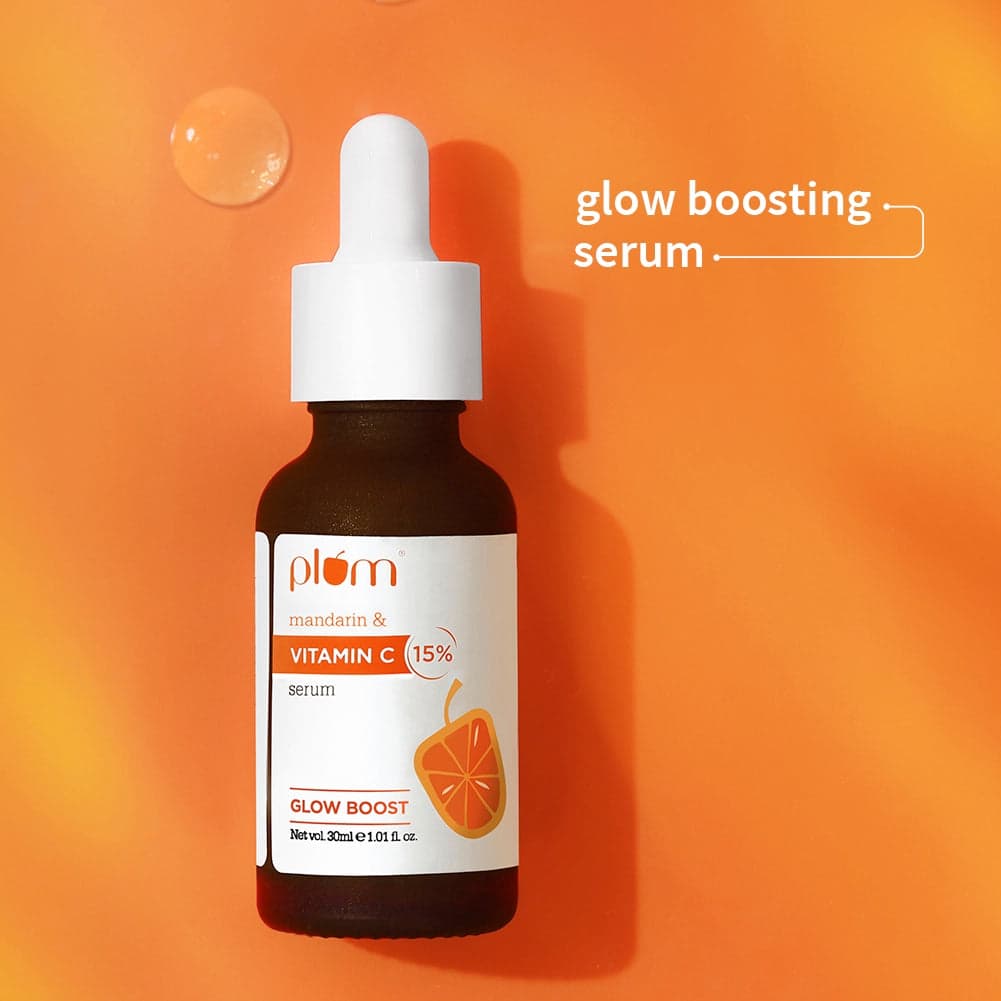
Plum
Mandarin & 15% Vitamin C Glow Face Serum
Rating: Plum (official store)
₹790
₹26/ml · 30ml
3-O-Ethyl Ascorbic Acid: quick answers
+What is 3-O-Ethyl Ascorbic Acid?
A vitamin C derivative in which an ethyl group is attached to the third carbon of ascorbic acid. The change makes it more resistant to oxidation than pure L-ascorbic acid in water-based serums. It is widely used in lightweight brightening serums, including many from Indian brands, as a gentler alternative to L-ascorbic acid. Independent clinical evidence is much more limited than for L-ascorbic acid.
+What concentration of 3-O-Ethyl Ascorbic Acid is typical?
Retail serums commonly list 10–15%. There is no well-established optimum from independent clinical studies, and percentages are not directly comparable with L-ascorbic acid.
+What pH does 3-O-Ethyl Ascorbic Acid need?
Does not need the very low pH that L-ascorbic acid does; formulas are usually mildly acidic
+How stable is 3-O-Ethyl Ascorbic Acid?
More resistant to oxidation than L-ascorbic acid, so serums tend to stay usable for longer. Still keep the bottle closed, cool and away from direct light.
Who it may suit
Related guides
Sources
- Al-Niaimi F, Chiang NYZ. Topical Vitamin C and the Skin: Mechanisms of Action and Clinical Applications. J Clin Aesthet Dermatol, 2017.
- Telang PS. Vitamin C in dermatology. Indian Dermatology Online Journal, 2013.
- Pinnell SR et al. Topical L-ascorbic acid: percutaneous absorption studies. Dermatologic Surgery, 2001.
We are not dermatologists and this page has not been medically reviewed. It is for information only — consult a qualified professional before making decisions about your skin.