
L-Ascorbic Acid
The purest, most researched form of Vitamin C and the only form with the strongest clinical backing for collagen synthesis and pigmentation reduction. It is water-soluble and highly unstable — it oxidises quickly on exposure to light, air and heat, turning the serum yellow/brown.
Typical concentration
8–20% (10–15% is the effective, well-tolerated sweet spot for most skin types)
Formulation pH
Below 3.5 for optimal skin penetration
What LAA is used for
- Strongest clinical evidence for collagen synthesis
- Brightens pigmentation and evens out tone
- Boosts the effectiveness of sunscreen against UV damage
- Antioxidant protection against free-radical damage
Stability
Unstable — requires a low pH (below 3.5), opaque/airless packaging, and cool, dark storage. Oxidised (yellow/brown) serum has lost most of its potency.
Advantages
- Most effective form
- Backed by the most clinical research
- Works synergistically with Vitamin E + Ferulic Acid
Limitations
- Unstable, short shelf life once opened
- Can irritate sensitive skin at low pH
- Oxidises quickly if not stored properly
Commonly paired with
Use with care alongside
How LAA compares with other vitamin C forms
| Form | Typical concentration | pH |
|---|---|---|
| L-Ascorbic Acid | 8–20% (10–15% is the effective, well-tolerated sweet spot for most skin types) | Below 3.5 for optimal skin penetration |
| Sodium Ascorbyl Phosphate | 5–15% | 6–7 (near neutral) |
| Magnesium Ascorbyl Phosphate | 3–10% | 6–7 |
| Tetrahexyldecyl Ascorbate | 5–20% | Flexible, works across a wide pH range |
| Ascorbyl Glucoside | 10–25% | 5–7 |
| 3-O-Ethyl Ascorbic Acid | Retail serums commonly list 10–15%. There is no well-established optimum from independent clinical studies, and percentages are not directly comparable with L-ascorbic acid. | Does not need the very low pH that L-ascorbic acid does; formulas are usually mildly acidic |
Serums using L-Ascorbic Acid
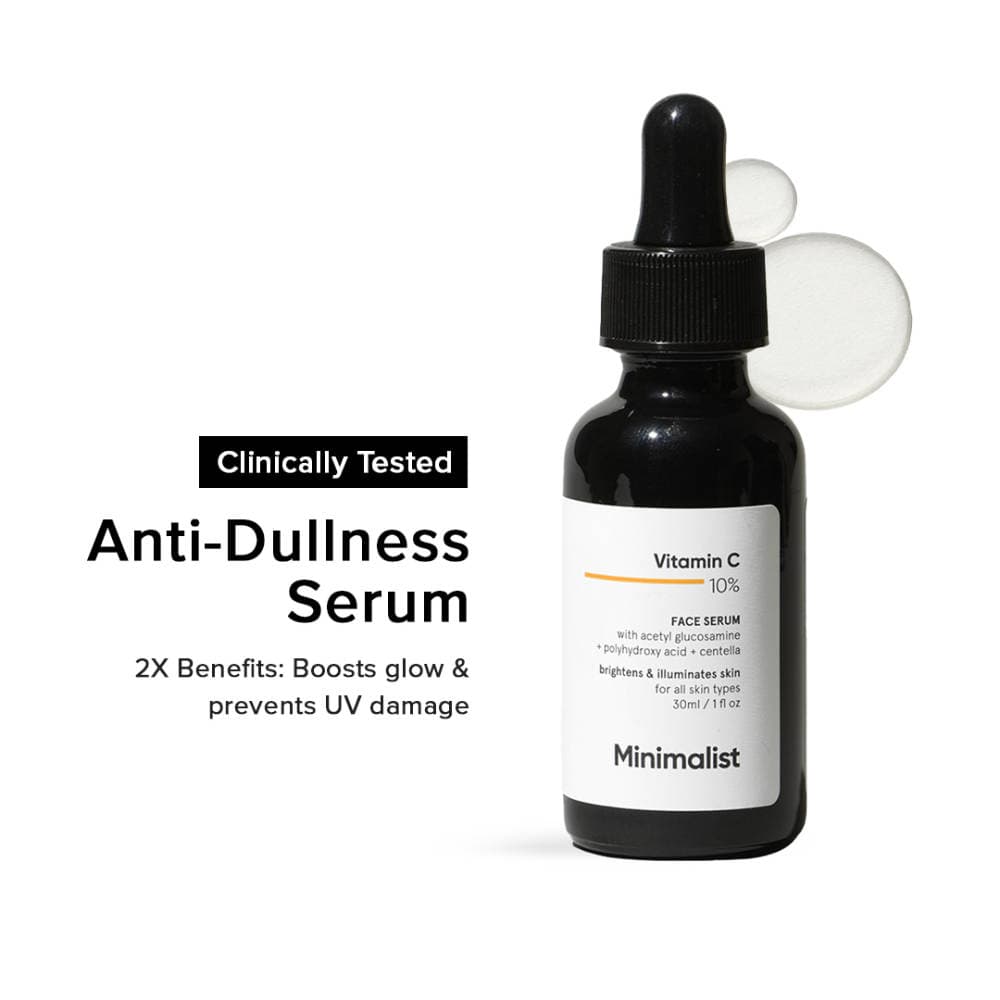
Minimalist
10% Vitamin C Face Serum
Rating: Minimalist (official store)
₹629
₹21/ml · 30ml
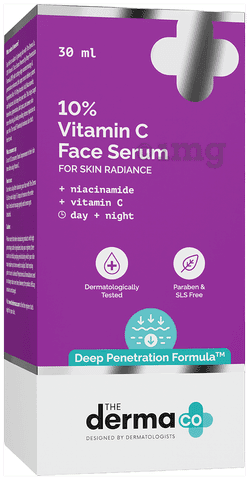
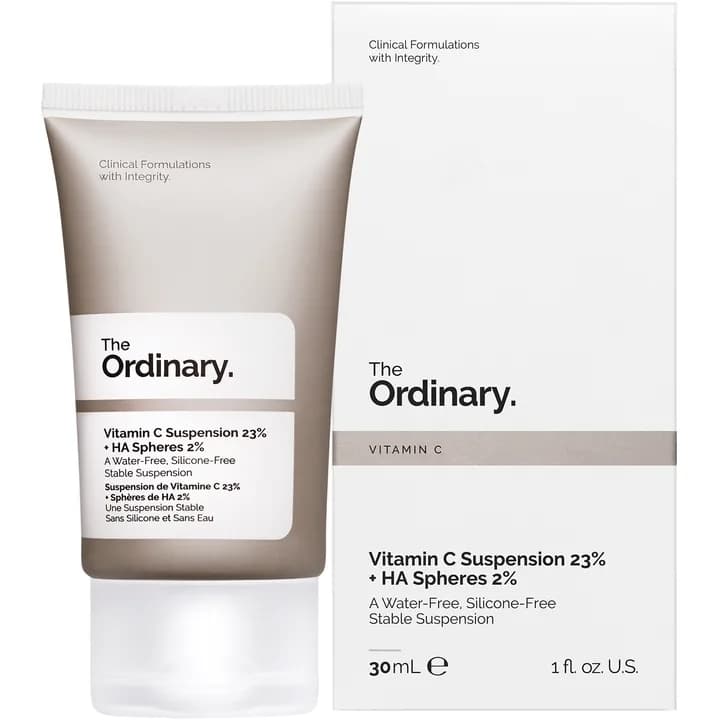
The Ordinary
Vitamin C Suspension 23% + HA Spheres 2%
Rating: Nykaa verified customer ratings
₹1,490
₹50/ml · 30ml
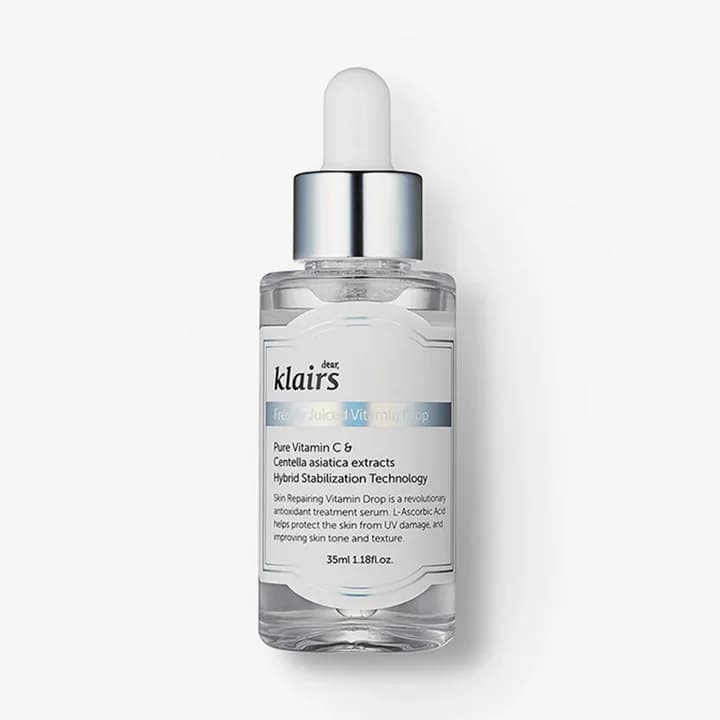
Klairs
Freshly Juiced Vitamin Drop
Rating: Nykaa verified customer ratings
₹1,650
₹47/ml · 35ml
L-Ascorbic Acid: quick answers
+What is L-Ascorbic Acid?
The purest, most researched form of Vitamin C and the only form with the strongest clinical backing for collagen synthesis and pigmentation reduction. It is water-soluble and highly unstable — it oxidises quickly on exposure to light, air and heat, turning the serum yellow/brown.
+What concentration of L-Ascorbic Acid is typical?
8–20% (10–15% is the effective, well-tolerated sweet spot for most skin types)
+What pH does L-Ascorbic Acid need?
Below 3.5 for optimal skin penetration
+How stable is L-Ascorbic Acid?
Unstable — requires a low pH (below 3.5), opaque/airless packaging, and cool, dark storage. Oxidised (yellow/brown) serum has lost most of its potency.
Who it may suit
Related guides
Sources
- Al-Niaimi F, Chiang NYZ. Topical Vitamin C and the Skin: Mechanisms of Action and Clinical Applications. J Clin Aesthet Dermatol, 2017.
- Telang PS. Vitamin C in dermatology. Indian Dermatology Online Journal, 2013.
- Pinnell SR et al. Topical L-ascorbic acid: percutaneous absorption studies. Dermatologic Surgery, 2001.
We are not dermatologists and this page has not been medically reviewed. It is for information only — consult a qualified professional before making decisions about your skin.