
How to Layer Vitamin C With the Rest of Your Routine
Order matters less than people think, with two exceptions that matter a lot. A simple morning and evening structure, plus what to do on the days you use acids or retinol.
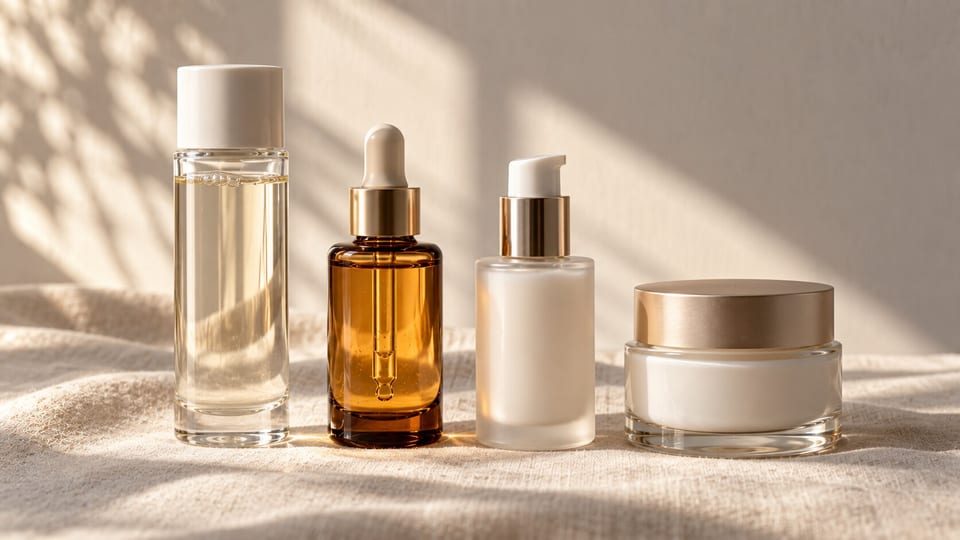
The guiding rule is thin to thick: water-light products first, heavier ones after, sunscreen last in the morning. Vitamin C is a thin, watery step, so it goes early.
A morning routine that works
- Cleanse. A plain gentle cleanser. No acids here if you are using vitamin C next.
- Vitamin C serum. On skin that is barely damp, not dripping. Three to five drops for the whole face.
- Wait a minute or two. Long enough to stop the next layer dragging it around — not the ten to thirty minutes sometimes claimed.
- Moisturiser.
- Sunscreen. Non-negotiable, and the step that decides whether the rest was worth doing.
Morning is the conventional slot because the antioxidant role pairs with daytime exposure, but an evening application is not wasted. We weigh both in morning or night.
The two exceptions that genuinely matter
Sunscreen always goes last
Applying serum over sunscreen disturbs the film that is doing the protecting. No exceptions.
Do not stack acids onto an acidic serum
An L-ascorbic acid serum is already acidic. Adding a glycolic toner on top is a lot of acid at once for most skin. See vitamin C with AHAs and BHAs.
Combinations people worry about unnecessarily
- Niacinamide. The "they cancel out" claim comes from old work on raw ingredients under conditions that do not match finished formulas. In practice they are used together constantly — the full explanation.
- Hyaluronic acid. No conflict. Apply it after the vitamin C, or use a serum that already contains it.
- Peptides. Fine. If you would rather not layer them, put peptides at night.
- Sunscreen. Not only compatible — the pairing is the point.
Vitamin C and retinol
Both are useful and both can irritate. The simplest arrangement is vitamin C in the morning, retinol at night, which sidesteps the question entirely. More on combining them.
A workable weekly structure
| Time | Most days | Exfoliation day (1–2×/week) |
|---|---|---|
| Morning | Cleanse → vitamin C → moisturiser → SPF | Cleanse → vitamin C → moisturiser → SPF |
| Evening | Cleanse → retinol or treatment → moisturiser | Cleanse → AHA/BHA → moisturiser (skip retinol) |
Keeping acids in the evening and vitamin C in the morning means the two never meet, which removes most layering anxiety.
Small things that make a difference
Apply to barely damp skin, not soaking. Press rather than rub. Do not skip the neck if you are treating tone. And keep the routine short enough that you will actually do it every morning — a four-step routine performed daily beats an eight-step one performed twice a week. If you are just starting, how to use vitamin C serum covers the basics.
Common questions
Does vitamin C go before or after moisturiser?
Before. It is a thin, watery step, so it goes on cleansed skin and moisturiser follows. Applying it over moisturiser means less of it reaches your skin.
How long should I wait after applying vitamin C?
A minute or two, just enough that the next layer does not drag it around. The twenty to thirty minute waits sometimes recommended are not necessary.
Can I use vitamin C and niacinamide together?
Yes. The claim that they cancel out comes from old work on raw ingredients under conditions unlike finished formulas. Separate them only if a specific pairing irritates your skin.
Should vitamin C go under or over sunscreen?
Under, always. Sunscreen is the final step in the morning, and applying anything over it disturbs the protective film.
Compare vitamin C serums sold in India → or browse ingredient explainers and picks by skin type and budget.
More from the blog
- How to Read the Efficacy Claims on a Vitamin C SerumGuide · 2 min read
- Why Vitamin C Serums Are Starting to Add Carnosine and Other Anti-Glycation ActivesIngredients · 3 min read
- Nine Vitamin C Serum Myths Worth DroppingMyths · 3 min read
- Airless Pump vs Dropper Bottle: Why Vitamin C Packaging Decides Shelf LifeGuide · 3 min read
We are not dermatologists. This content is for informational purposes only — consult a qualified professional for medical advice. See our editorial policy and medical disclaimer.